Cataract Treatment
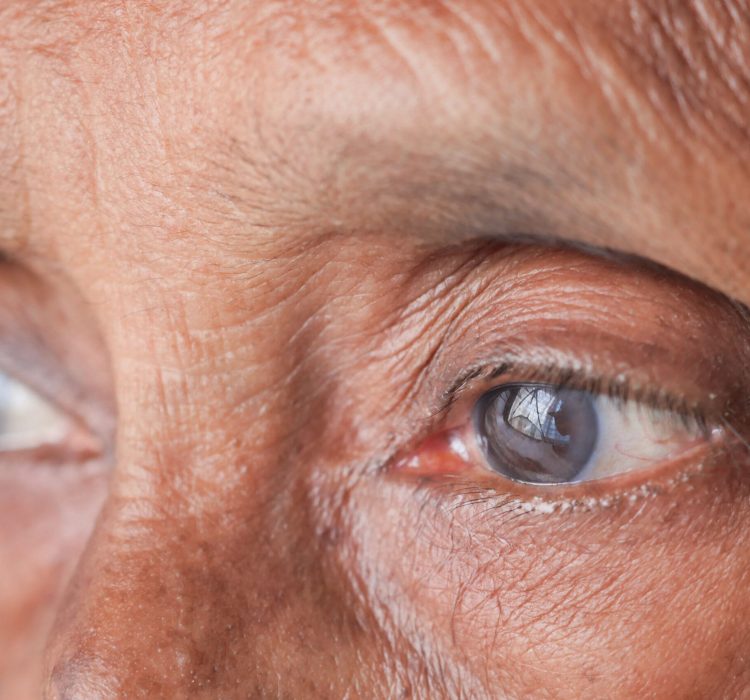
Cataracts are a clouding of the natural crystalline lens of the eye. The crystalline lens sits inside the eye and right behind the iris. This lens is the lens that focuses all the light coming into the eye. As we age, this lens changes its shape. When it reaches an old enough age, the lens itself starts to change color, eventually becoming cloudy and prohibiting light from passing through and focusing it into clearer vision.
The crystalline lens is made up of protein and water. When a cataract develops, the protein clumps up and sometimes becomes hard, making it less and less likely to allow light to pass through it to the retina.
Presently, there is no cure for cataracts. It is said that if you live long enough, you will eventually develop cataracts in your eyes. The good news is that this condition can be treated and has been the most successful operation in the world.
The cataract operation is performed over 3 million times a year in the domestic US and is the most successful operation in the medical field. Recent technology has allowed us to work with injectable lens implants and small clear corneal incisions without stitches.
The doctors at Holec and Young Eye Care work with the leaders in cataract surgery and will discuss your options if you are a patient with a cataract condition.

Frequently Asked Questions About Cataracts
Common early symptoms include blurry or cloudy vision, increased glare or halos around lights (especially at night), fading or yellowing of colors, and difficulty seeing well in low light. Since cataracts develop gradually, many people don’t notice symptoms until they’ve progressed.
Cataracts are most commonly associated with aging and often become noticeable after age 60, though they can begin developing earlier. Some people may not experience significant vision changes from cataracts until much later in life.
Cataract surgery is typically covered by Medicare and most vision or medical insurance plans when it’s considered medically necessary. Coverage details can vary, so our team can help you understand your specific benefits.
Cataract surgery is usually recommended once cloudy vision starts interfering with daily activities like driving, reading, or working. Your optometrist can evaluate your vision and discuss whether surgery is the right next step for you.
Once the clouded lens is removed and replaced with an artificial lens, that particular cataract cannot return. However, some patients may experience a clouding of the membrane behind the implant over time, which can typically be treated with a quick, non-invasive laser procedure
See What Personalized Eye Care Feels Like
Our team is committed to making every visit comfortable, informative, and centered on your unique needs. Schedule your appointment and experience a new level of care.