Amblyopia Treatment
Amblyopia, commonly called “lazy eye”, occurs when one eye develops differently than the other eye. This causes one eye to be weaker than the other. Often times the two eyes cannot function together because of one being too weak. Most times the patient with Amblyopia causes one eye to do most of the work in seeing. Other times, the eyes are misaligned, causing one eye to totally “shut down” to avoid double vision issues. Regardless of the cause, the result is a weakened eye.
How Amblyopia Is Managed
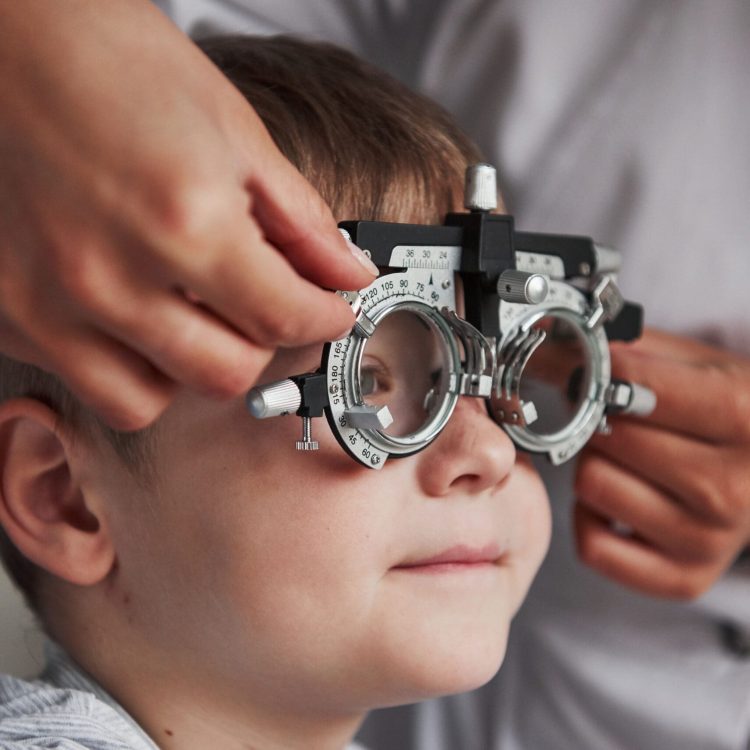
Most of the time amblyopia can’t be entirely corrected. The amblyopic eye will always be a bit weaker than the other. However, with treatment, vision in the amblyopic eye can be improved to some extent. Treatment options involve encouraging the weak eye to develop. This is done using eye patches, vision therapy, glasses, and usually a combination of the three. The strong eye may be patched to encourage the weak eye to develop. Vision therapy can help to correct improper use of the eyes. Most often, the amblyopic eye will always require glasses.
If you are concerned that you or your child may be experiencing the symptoms of amblyopia, stop in and speak with any of our experienced optometrists at Holec and Young Eye Care. We can schedule an eye exam in Rapid City for you and make a plan to correct any vision issues and restore your peace of mind.
Frequently Asked Questions About Amblyopia
“Lazy eye” is the common nickname for amblyopia, but it’s not always caused by eyes that appear visibly crossed or misaligned. Amblyopia is about how the brain and eye develop together — one eye becomes weaker even if the eyes look normal on the outside.
Amblyopia is most often caught during a child’s first comprehensive eye exam, typically recommended between six months and three years of age. Early diagnosis is important, since treatment is most effective while a child’s vision is still developing.
Amblyopia is much harder to treat once the visual system has fully developed, which is usually by early childhood. This is why early detection in kids is so important — treatment options are far more limited by adulthood.
Treatment length varies by child and severity, but patching and vision therapy are often needed for several months to see meaningful improvement. Your optometrist will monitor progress and adjust the treatment plan as needed.
It’s possible for the weaker eye to regress if treatment stops too early, which is why it’s important to follow the full treatment plan and attend follow-up exams, even after vision seems to improve.
See What Personalized Eye Care Feels Like
Our team is committed to making every visit comfortable, informative, and centered on your unique needs. Schedule your appointment and experience a new level of care.