
Conjunctivitis Treatment
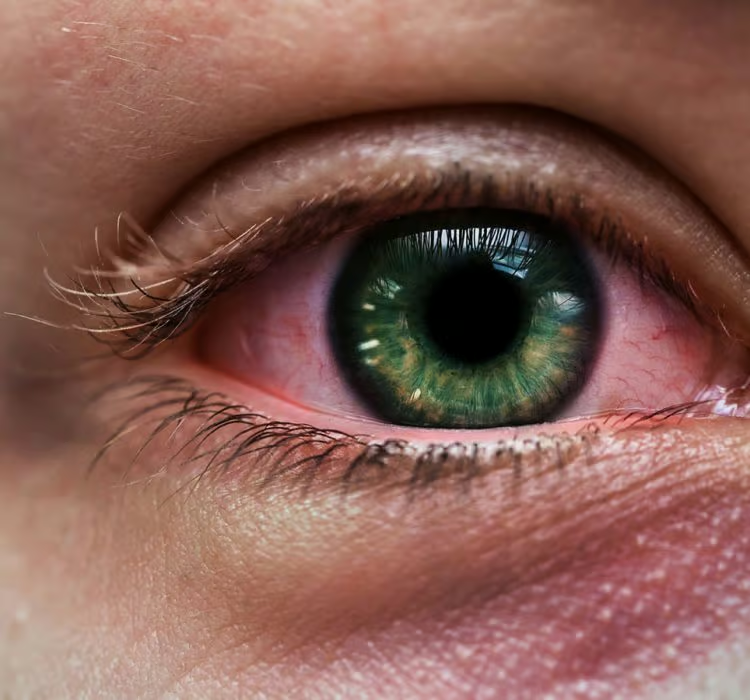
Conjunctivitis, commonly known as “pink eye,” can be caused by a variety of factors including viral infections, allergic reactions, or bacterial infections. When affected, the eye typically appears pink or red and may feel itchy, watery, and uncomfortable. This condition is highly contagious, making it essential to take immediate precautions to prevent its spread.
At Holec and Young Eye Care, our experienced doctors prioritize prompt treatment for conjunctivitis. If you suspect you have pink eye, it’s crucial to schedule an appointment as soon as possible. Additionally, take proactive steps to minimize transmission by practicing good hygiene habits. This includes frequent handwashing, avoiding touching the eyes with unwashed hands, refraining from sharing towels or cloths, and abstaining from using makeup that could potentially become contaminated.
For children with conjunctivitis, it’s important to keep them out of school until the condition is effectively treated and under control. Depending on the severity and cause, our doctors may prescribe antibiotics or ointments to alleviate symptoms and expedite recovery. By seeking prompt medical attention and adhering to preventive measures, individuals can mitigate the spread of pink eye and promote faster healing.
Frequently Asked Questions About Conjunctivitis
Viral conjunctivitis typically clears up on its own within one to two weeks, while bacterial conjunctivitis often improves within a few days of starting antibiotic treatment. Allergic conjunctivitis can persist as long as you’re exposed to the allergen triggering it.
Viral conjunctivitis often comes with watery discharge and may accompany a cold, bacterial conjunctivitis tends to produce thicker yellow or green discharge, and allergic conjunctivitis is usually associated with itching and occurs in both eyes at once. Since these can be difficult to tell apart, an eye exam is the most reliable way to determine the cause and the right treatment.
For contagious viral or bacterial conjunctivitis, it’s generally recommended to wait until symptoms have significantly improved, or 24 hours after starting antibiotic treatment if it’s bacterial. Your doctor can give you specific guidance based on your diagnosis.
No — contact lenses should be avoided while you have conjunctivitis, and any lenses worn during the infection should be discarded rather than reused. Wait until your doctor confirms the infection has cleared before wearing contacts again.
Most cases of conjunctivitis are mild and resolve with proper care, but it’s still important to have it evaluated, since some symptoms can overlap with more serious eye conditions. Seek care promptly if you experience significant pain, vision changes, or sensitivity to light, as these can indicate a more serious issue.
See What Personalized Eye Care Feels Like
Our team is committed to making every visit comfortable, informative, and centered on your unique needs. Schedule your appointment and experience a new level of care.